
The Range Rover Velar has received an update that makes it sleeker, cleaner and more technologically advanced than before. But is that enough to justify that steep price?
The Range Rover Velar has been on the market since 2017 as an “inbetweener”, for those who wanted more space and luxury than you get in the small Range Rover Evoque, but aren’t ready to go for the big boy Range Rover (Sport). Land Rover went shopping at the stables of Jaguar -which launched the F-Pace not long before that- and borrowed the technical base of that car. Based on their looks alone, it’s hard to comprehend that the Jaguar F-Pace and Range Rover Velar are blood brothers. In 2023, the sleek Velar saw a minor facelift that brought new headlights, larger batteries for the plug-in hybrids and -above all- a new interior. Did Range Rover do a good job?
All suited up
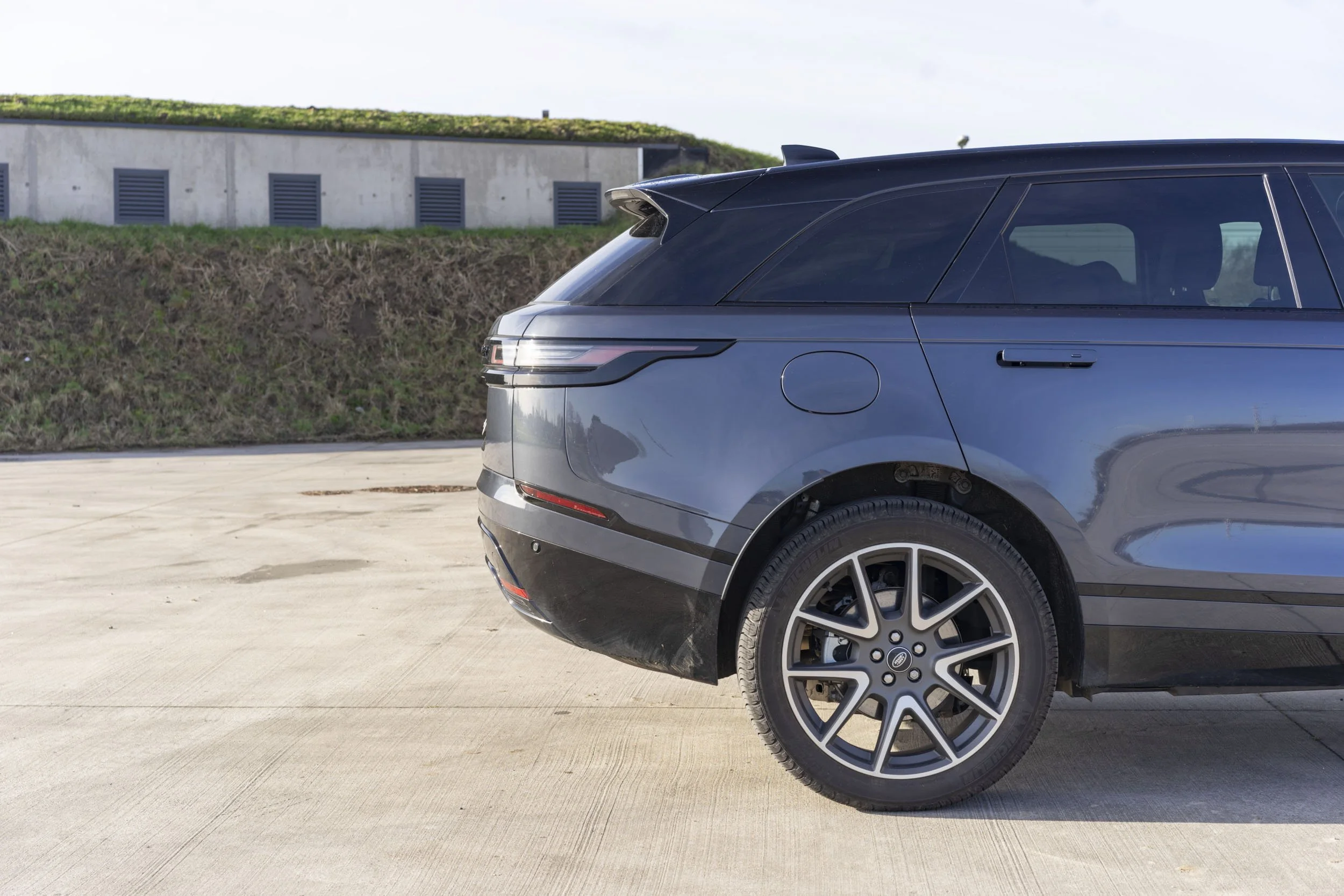
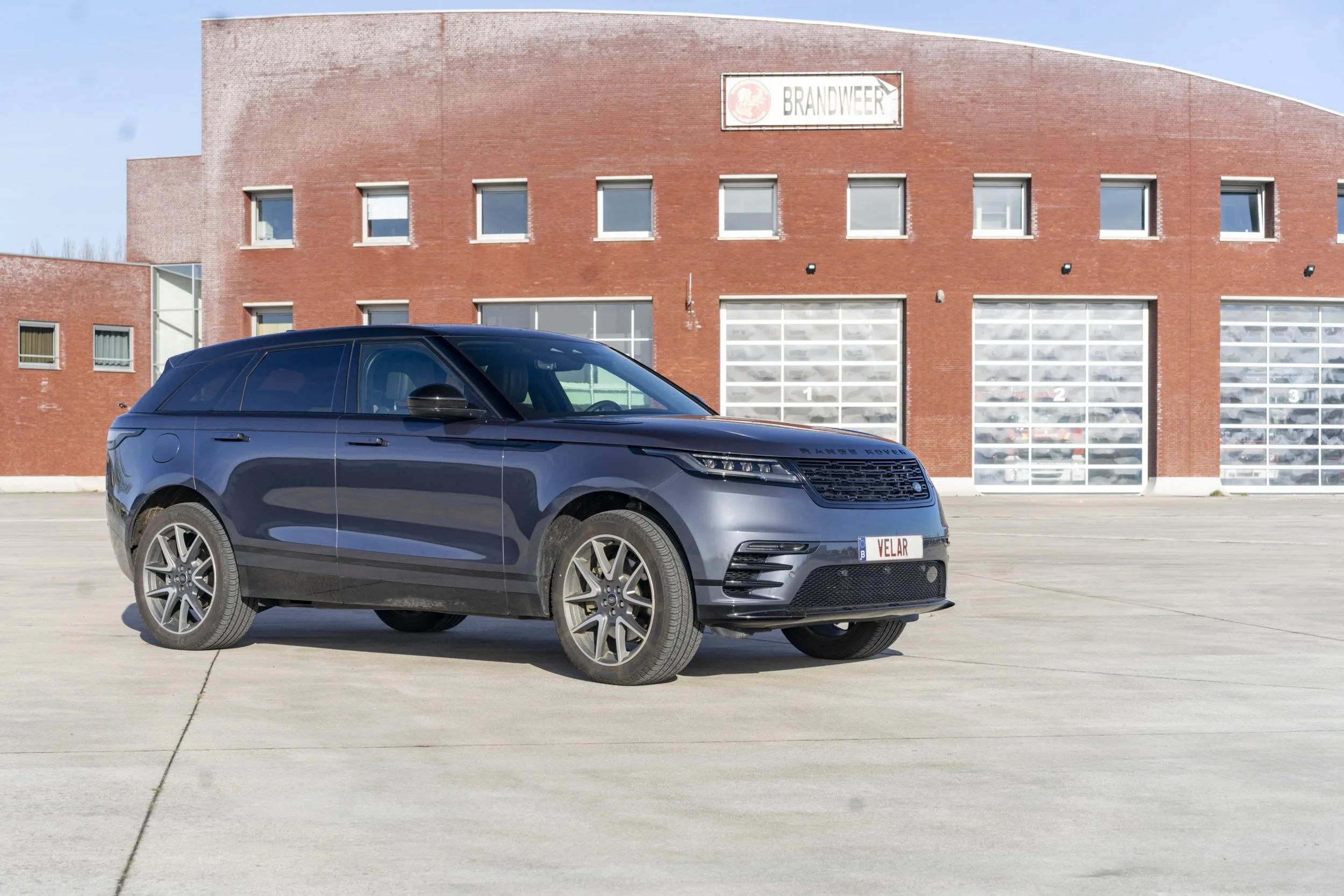
The Land Rover designers didn’t really change the looks of the already stylish Velar (feels a little bit like the Porsche 911 designers). The SUV was already a design statement at its launch in 2017 and therefore needed just a few minor adjustments to keep up with the time. A new grill, new headlights with matrix LED lightning and a (very) slightly redesigned rear bumper complete the back with 3D effect LED taillights. The exhaust is also hidden, as with all non-sporty Jaguar Land Rover models these days.

The typical Range-interior
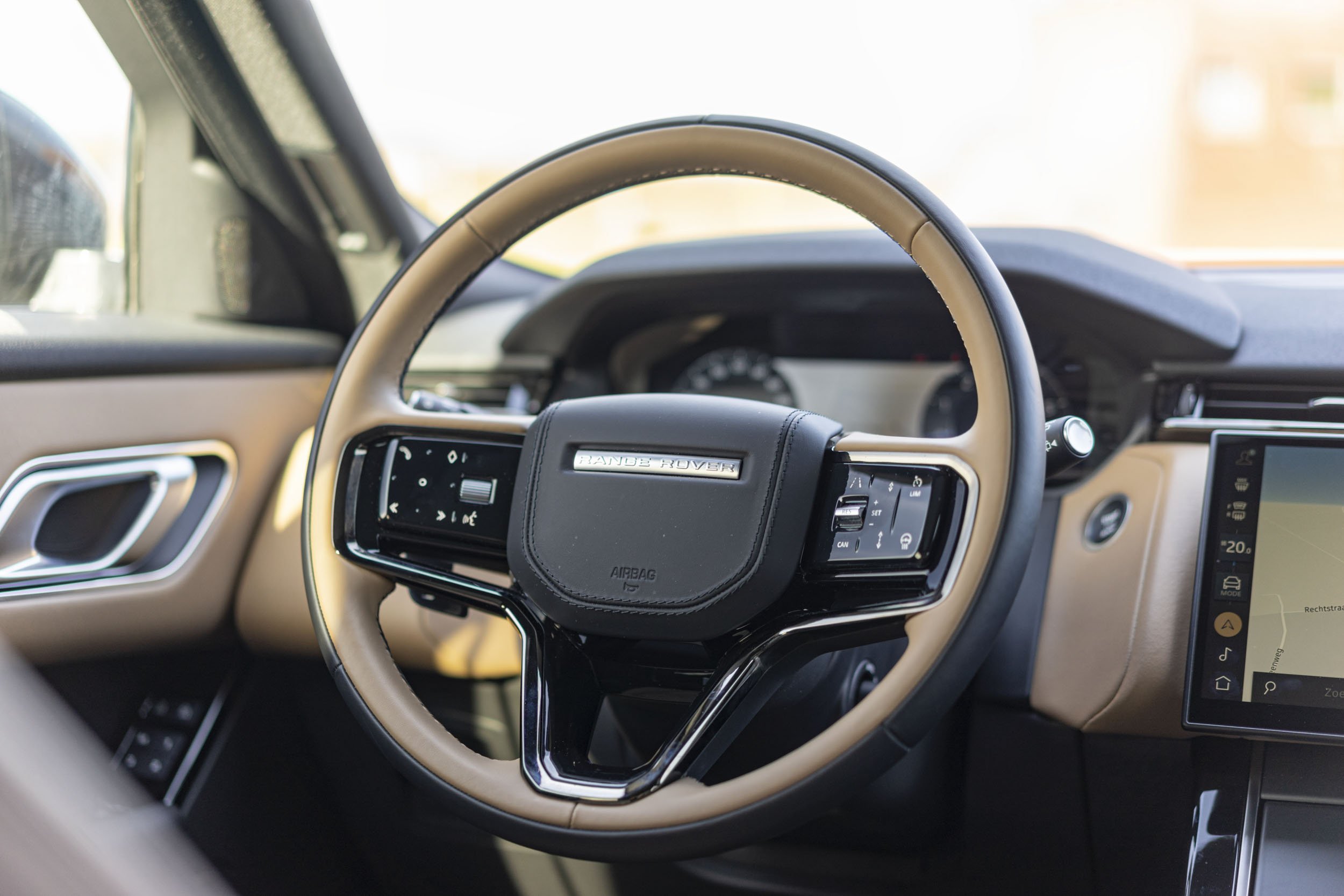
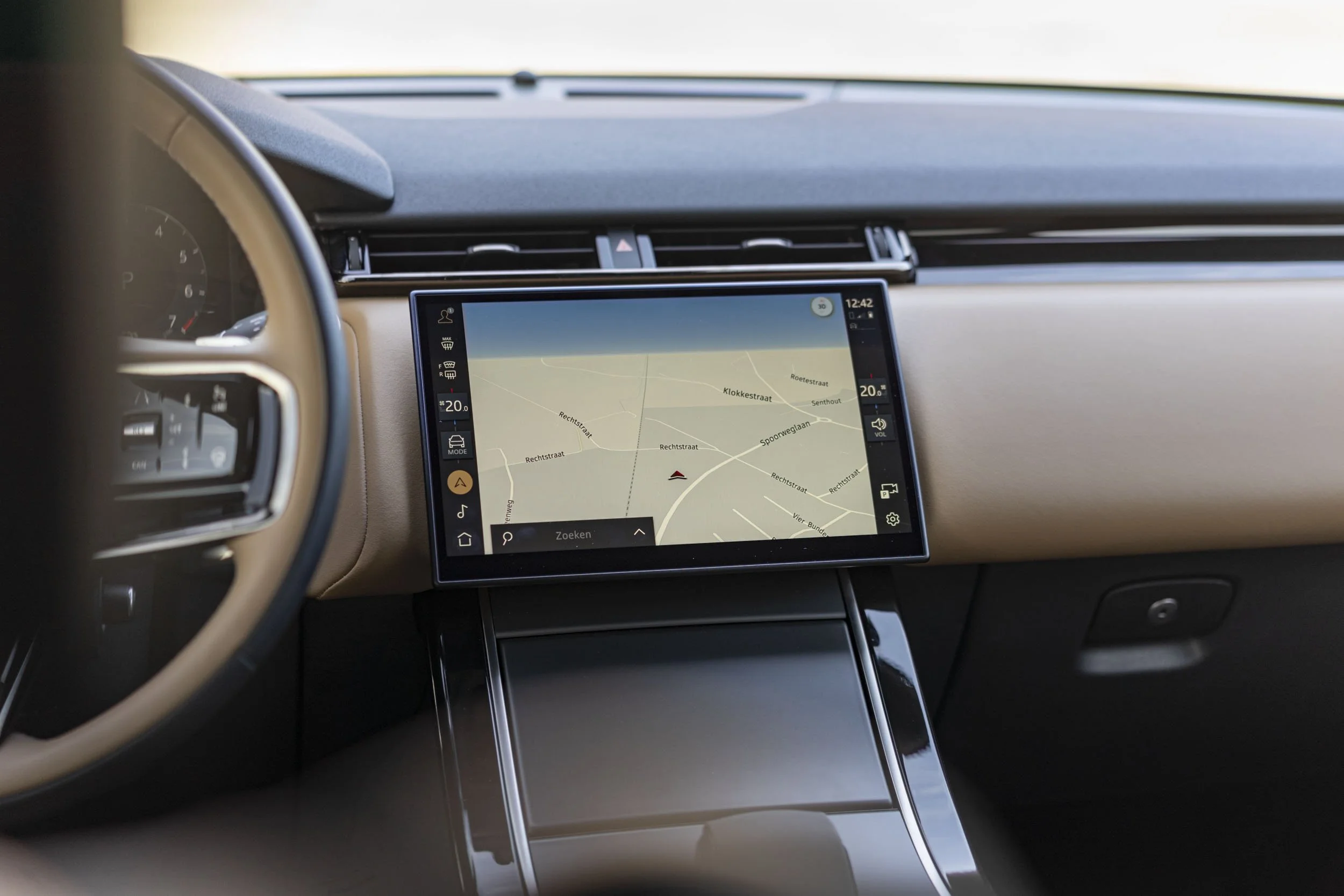
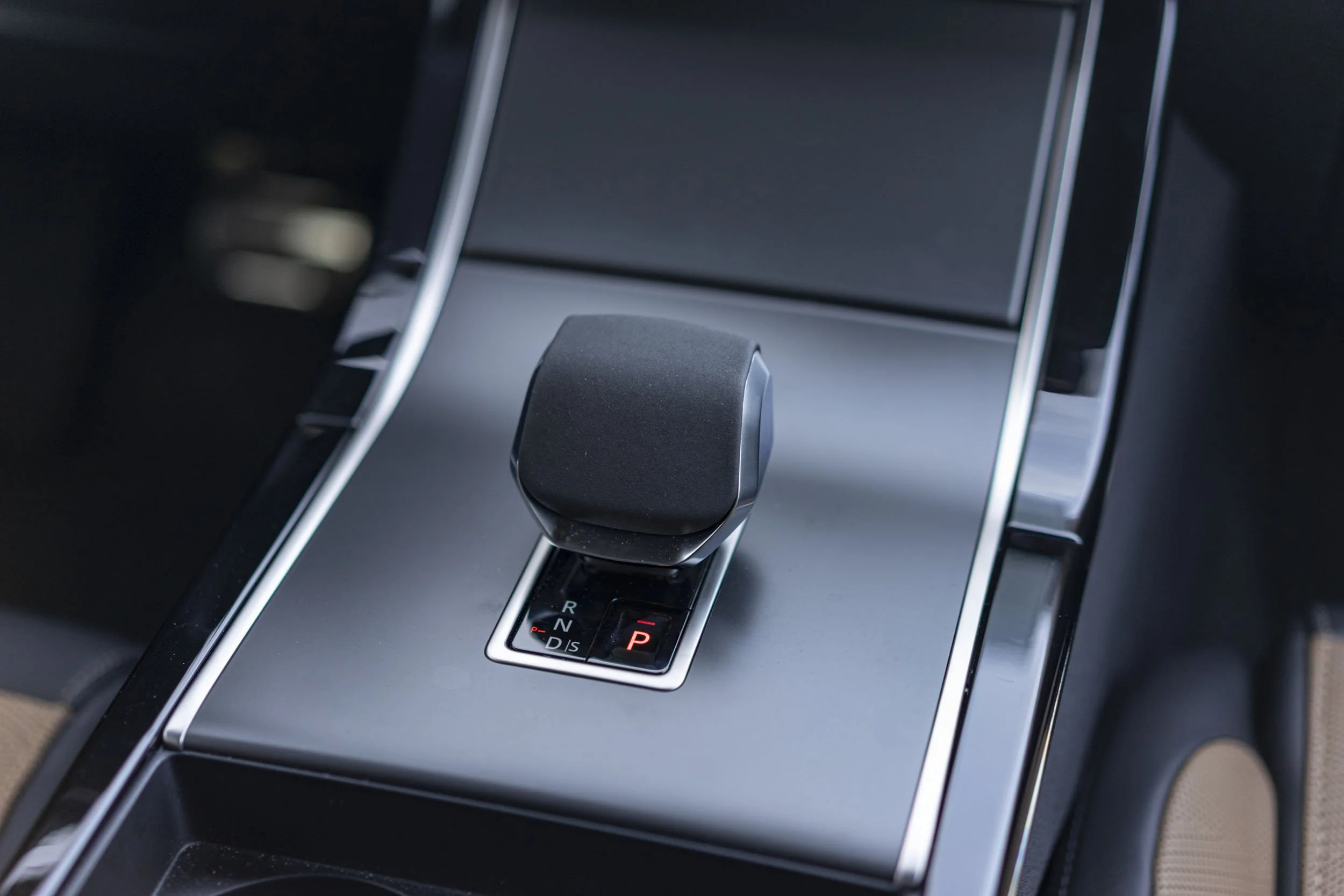
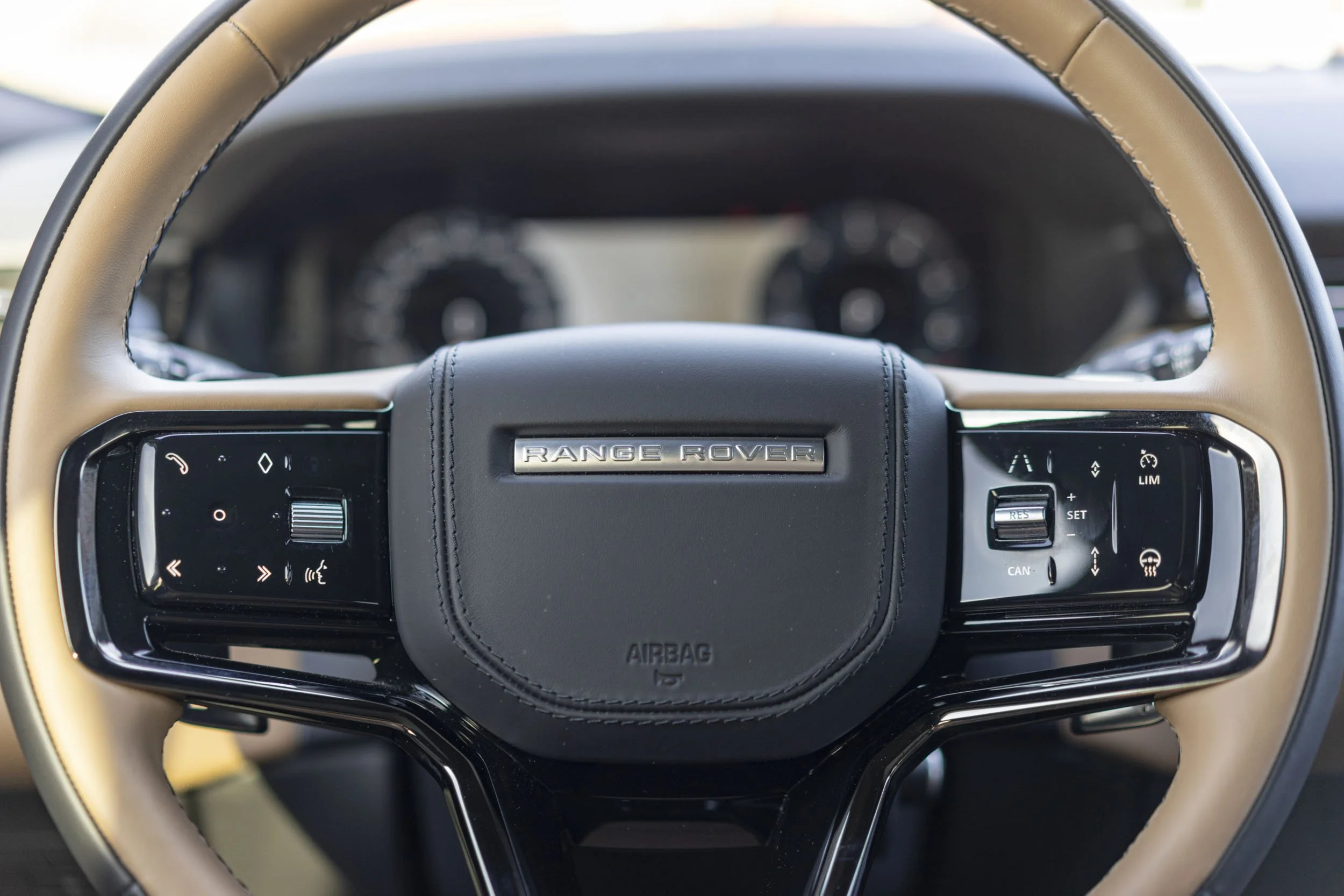
If you can talk about changes on the exterior, then the changes on the interior can be called: DRASTIC! Gone is the double central display with a tilting touchscreen at the top for the infotainment system and a smaller screen below for the climate control and comfort systems with permanent rotary knobs. We welcome a 11,4 inch floating touchscreen (without rotary knobs) with the Pivi Pro infotainment system which you could already know from literally every other JLR product. The second screen has been relegated and thrown into the trash bin. In its place, you can find a large storage compartment with an elegant lid.

A button to less
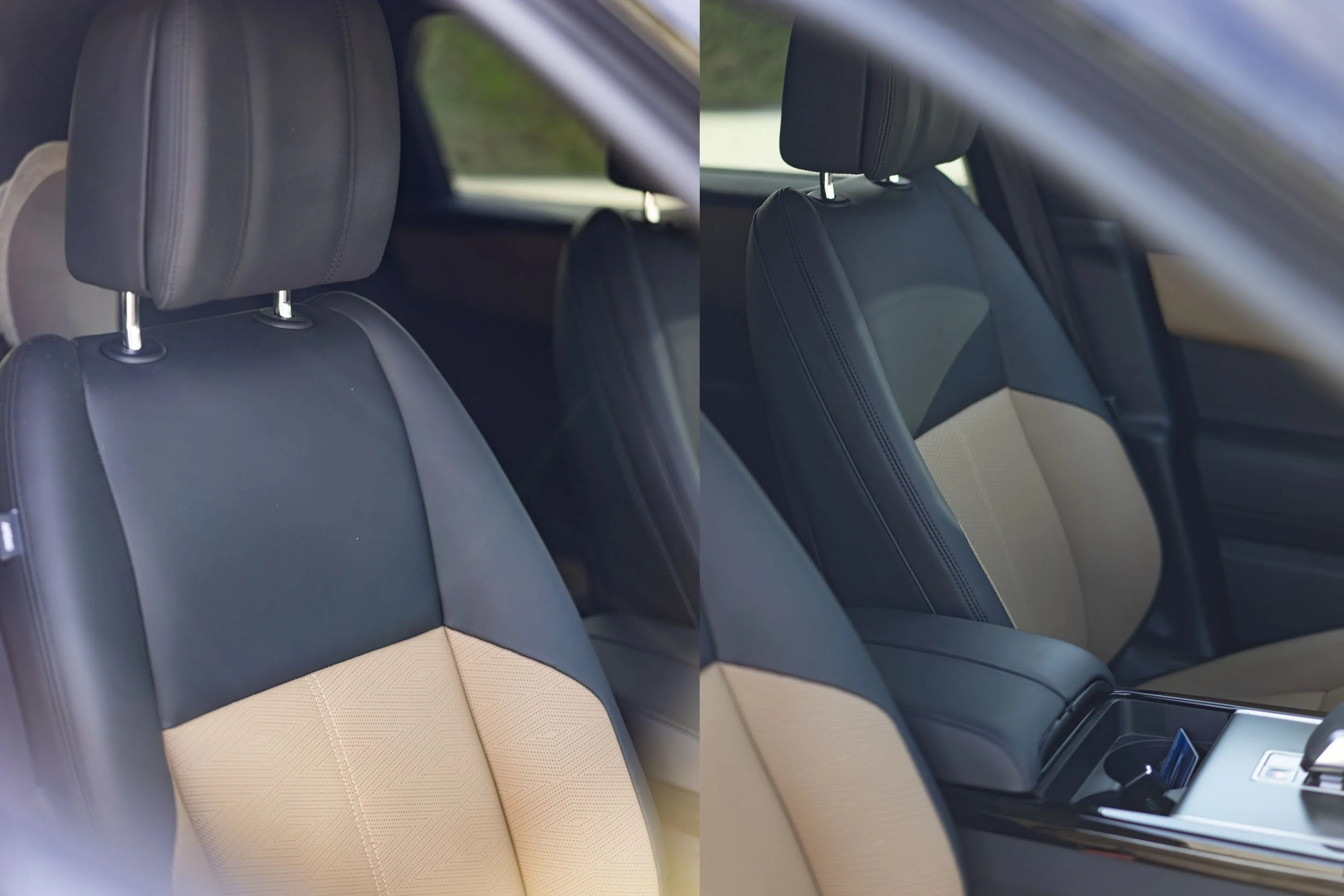
It looks clean and minimalistic (probably something people -that can afford a Velar- appreciate). We also can’t complain about the choice of material with a lot of leather and soft surfaces. But the ergonomics could be better. Since the update, you need to control every single thing via the central touch screen which isn’t always that clearly structured in terms of menu structure. Distraction guaranteed! If you drive with Android Auto or Apple CarPlay (wireless available) and you want to turn on the heated seats, it could be a struggle! But if you look at the “almost identical” Jaguar F-Pace, you will see a second panel for the comfort settings and that just works that much easier.
Really comfy
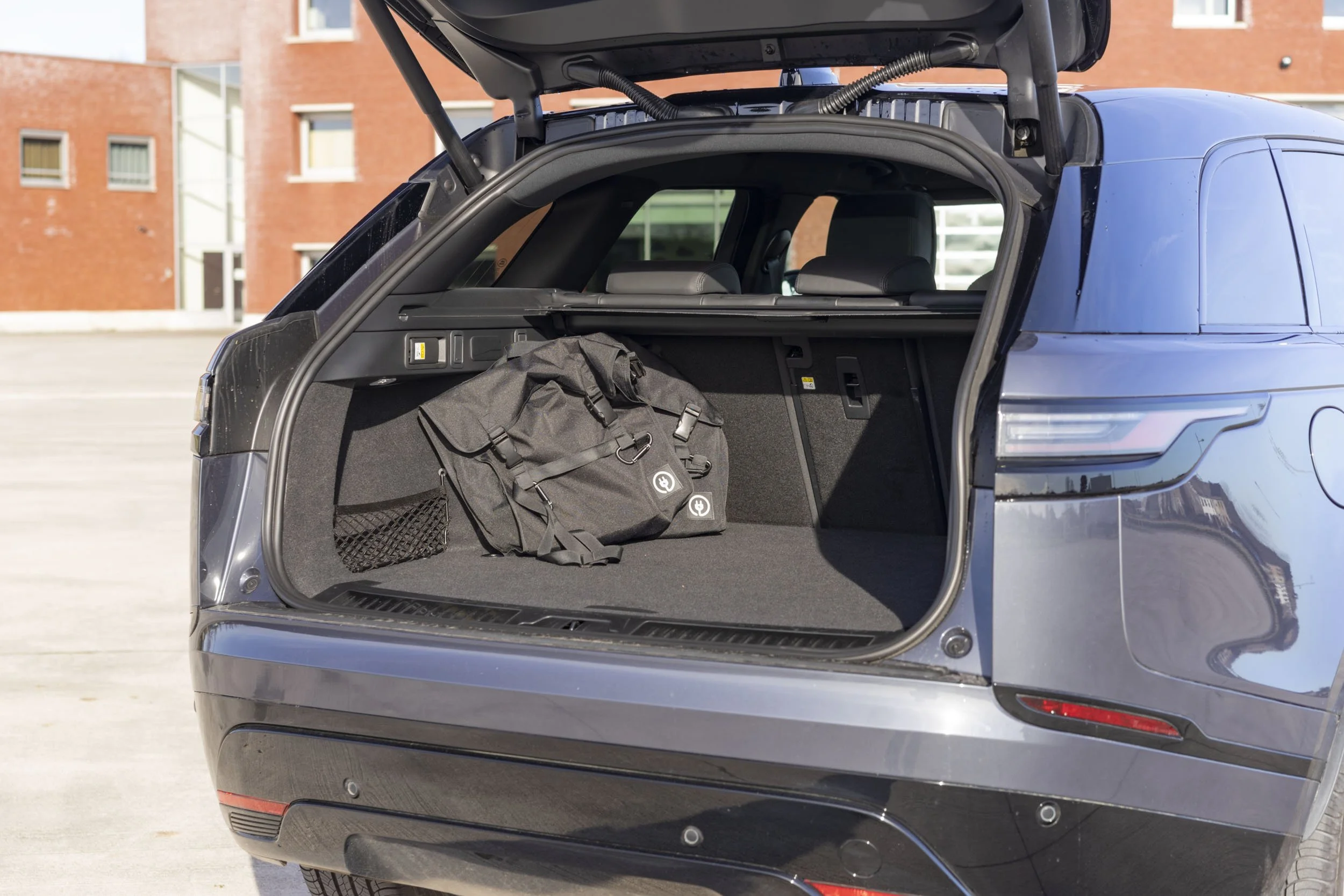
Fortunately, the Velar mastered the basic Range Rover elements. The seats offer a lot of support and are (optional) extensively, electrically adjustable. There’s sufficient seating space in the back for the two outer passengers, the fifth person in the middle will have to do with a tight seat and a wide center tunnel. A cool little thing about the Velar: you can electrically tilt the rear seats (option). The trunk is 502 liters (552 liters for non-hybrids) and that’s sufficiently large. Yes, you lose 50 liters for the battery.
Petrol, diesel and hybrid
Which seamlessly brings us to the engine options that you can get in the Velar. Petrol engines on offer are the turbo 2.0-liter four-cylinder (P250) and the 3-liter six-cylinder (P400). Going for diesel, you can choose between a 2-liter four-cylinder D200 and a 3.0-liter six-cylinder D300. Our car is the P400e: a 2.0-liter turbo four-cylinder petrol engine combined with a 143 hp electric motor which is good for 404 horsepower. With the 19.2 kWh battery, you could drive 64 km completely electric (in theory), but even Range Rover talks about getting closer to 50 kilometers. In 30 minutes, the battery will fast charge from 0 to 80% up to 50 kW. While at the regular charging station, you are limited to 7 kW. Driving with an empty battery and the 2.3 tons Velar will easily show a number above 10L/100km of fine petrol.
On the road, the Velar isn’t the softest of its kind. It is trying to compromise between comfort and dynamic and does it pretty well (not like the BMW XM for example). The Velar keeps its heavy weight under control in the corners so you up the pace little by little (until you are drifting with the Velar and that’s quite scary!). A zero to 100 km/h is dealt with in 5.4 seconds, again: pretty decent!
Price
The new Range Rover Velar starts at 69.480 euros (BE) for the P250, but if you upgrade to our P400e you will also up the price to 82.600 euros. Some options later and you end up with a 106.000 euro car! That’s bonkers if you know that the car didn’t have a 360° camera and the floormat at the driver’s feet compartment was too short so you would always get stuck!
Conclusion
I’m a sucker for the Range Rover Velar! It love how it drives and how it looks! Maybe more importantly: I love how the Velar makes me look! But I can’t justify the price of this car. It’s nuts! Sorry Range Rover, if it was 10 to 15K cheaper it was a no-brainer!
